Start with the vehicle and the exact task
An estimate becomes more useful when the shop knows the year, make, model, engine or drivetrain configuration, mileage, symptoms and recent service history. For transfer case repair, the likely scope may involve transfer-case gears or chain, actuator, encoder and position sensors, input and output seals, specified transfer-case fluid and controls.
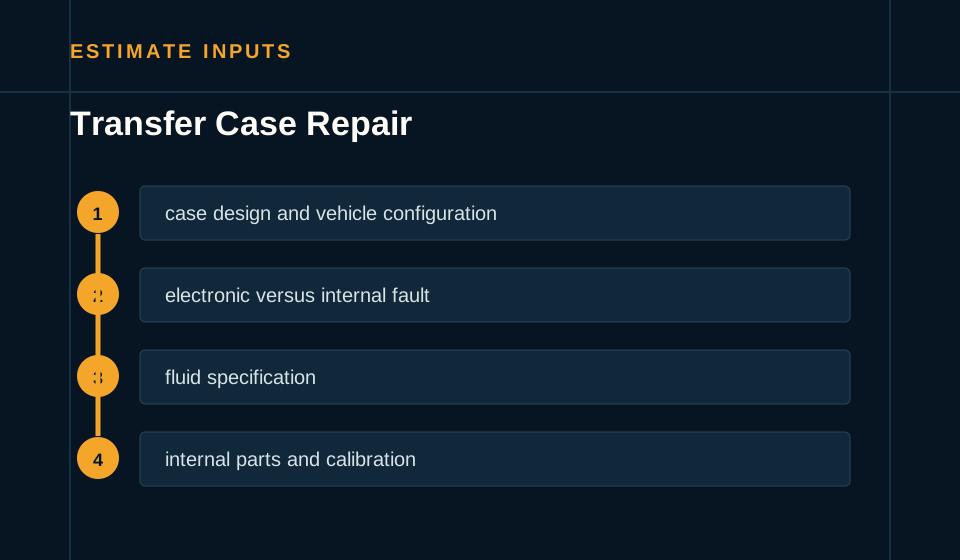
The main estimate variables are:
- case design and vehicle configuration
- electronic versus internal fault
- fluid specification
- internal parts and calibration
These variables explain why two vehicles with a similar symptom may not require the same labor, parts or supporting procedures.
Separate diagnosis from repair authorization
The initial inspection answers what has failed and what has only been affected. A trouble code, noise or leak can identify the system without identifying the final part.
- confirm drive mode and operating conditions
- scan four-wheel-drive modules and actuator data
- inspect fluid, leaks and driveline play
- test electrical and mechanical operation before disassembly
Once evidence supports a repair path, the estimate can distinguish required work from optional maintenance or additional investigation.
Questions for a comparable estimate
- What inspection or testing is included in the starting charge?
- Which finding supports each recommended part?
- Are labor, fluids, hardware and programming itemized?
- What can change after disassembly, and how will authorization be requested?
How findings change the repair scope
An estimate should follow the verified fault rather than lead the diagnosis. Depending on the evidence, the available paths can differ substantially:
Replace specified fluid and repair accessible leaks. The estimate should identify the finding behind this path, related items required for correct installation and the verification performed afterward.
Repair a verified actuator or control circuit. The estimate should identify the finding behind this path, related items required for correct installation and the verification performed afterward.
Replace worn chain, bearings or internal components. The estimate should identify the finding behind this path, related items required for correct installation and the verification performed afterward.
Correct tire or driveline conditions contributing to binding. The estimate should identify the finding behind this path, related items required for correct installation and the verification performed afterward.
Two totals are comparable only when they describe the same confirmed scope. A different component, incomplete test sequence or omitted supporting procedure is not a like-for-like estimate.
Common questions
Can this page diagnose the vehicle?
No. It organizes observations and questions. Vehicle-specific testing is still required.
Should I buy a part before inspection?
Usually wait until the cause and exact application are confirmed. Similar symptoms can come from different components.
Why preserve warning-light information?
Stored codes, monitor status and operating context may help the technician choose the next test.